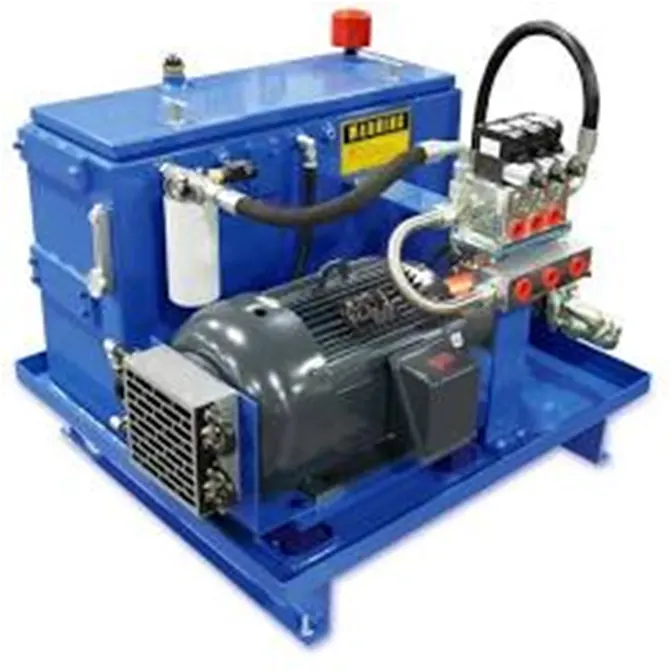
Engineered for stable leveling, pressure consistency, and long-term hydraulic elevator operation.
Hydraulic Lift Pumps manufactures hydraulic elevator pumps in India for elevator duty cycles, where controlled flow and pressure consistency directly affect ride quality and system reliability.
Elevator OEMs, hydraulic power unit manufacturers, and system integrators across India select these pumps for predictable performance in industrial elevator applications.
Designed Specifically for Hydraulic Elevator Pump Applications in India
Hydraulic elevators operate under conditions that differ significantly from general industrial hydraulic systems. Frequent start–stop cycles, load variation, noise sensitivity, and precise leveling requirements place specific operational demands on pump behavior.
At Hydraulic Lift Pumps, we match pump performance to real elevator operating conditions of hydraulic elevator systems. Our approach to pump selection is an application-specific engineering decision rather than a mere catalog choice. It helps minimize:
Hydraulic Elevator Pump Performance Considerations for Lift Systems
Engineers evaluate hydraulic elevator pump performance based on consistency during system operation. We engineer our elevator pumps to deliver:
- Stable flow for repeatable leveling accuracy
- Pressure control under varying cabin and counterweight loads
- Controlled start–stop response during intermittent duty cycles
- Compatibility with standard elevator control valves and manifolds
- Thermal stability during extended operating periods
Why Choose Hydraulic Lift Pumps for Hydraulic Elevator Pump Applications?
Hydraulic Lift Pumps partners with elevator OEMs and system integrators who prioritize long-term system performance:

Over a decade of experience in positive displacement pump manufacturing

ISO 9001–certified manufacturing with controlled quality processes

1,800 m² dedicated production facility supporting precision machining and testing
We support hydraulic elevator pump applications through:
- Application-specific engineering aligned with elevator duty cycles
- Controlled manufacturing for repeatable, predictable performance
- System-level understanding of hydraulic power units
- Reliable supply for project-based and phased execution
- Engineering continuity beyond initial delivery
Our Hydraulic Power Unit Interface & Coordination
In hydraulic elevator systems, pump performance depends on correct coordination with the motor, tank, valves, and piping. We engineer these interfaces at the hydraulic power unit level to prevent commissioning issues and ensure consistent system performance.
During pump configuration, we account for:
| Integration Factor | Typical Considerations/Specifications |
|---|---|
| Motor Sizing | Matched to pump flow and operating pressure; supports intermittent duty cycles |
| Pump Mounting & Alignment | Flange tolerance ±0.05 mm; alignment with motor and baseplate |
| Oil Tank Configuration | Tank volume and return line sizing per duty cycle; ensures sufficient cooling and flow stability |
| Valve Blocks/Control Assemblies | Compatibility with pressure-compensated, directional, or leveling valves; port alignment per ISO standard |
| Hydraulic Piping & Connections | Standardized port sizes and thread types (ISO/BSP/NPT as applicable) |
| System Layout/Orientation | Horizontal or vertical installation; pump inlet placement relative to tank and valves |
| Operating Fluid | ISO VG 32–68 hydraulic oils; viscosity-dependent pump sizing |
Low Noise & Smooth Ride Performance
Poor pump matching causes noise and vibration in hydraulic elevator systems. At Hydraulic Lift Pumps, we control manufacturing quality and internal tolerances to reduce noise, limit vibration, and deliver smoother ride quality in residential, commercial, and institutional buildings.
| Parameter | Typical Value/Specification |
|---|---|
| Noise Level | 55–65 dB at rated operation |
| Flow Ripple | < ±2% at rated speed |
| Vibration | < 2.5 mm/s RMS at mounting interface |
| Pressure Stability | < ±3% under load variations |
| Thermal Performance | ≤ 30°C temperature rise over ambient during intermittent duty cycles |
| Mounting Tolerance | ±0.05 mm flange alignment |
| Hydraulic Fluid Compatibility | ISO VG 32–68 |
Applications of Hydraulic Elevator Pumps We Support
As a manufacturer of hydraulic elevator pumps in India, Hydraulic Lift Pumps supports residential, commercial, and industrial elevator projects with application-specific pump solutions.

Passenger hydraulic elevators

Goods and freight elevators

Low- to mid-rise elevator installations

Residential, commercial, and institutional projects

Custom hydraulic power units built by elevator OEMs
Hydraulic Elevator Pump Selection Support
Pump selection affects leveling accuracy, pressure stability, and system lifespan. Our engineering team supports:
- Selecting pumps that deliver stable flow and pressure
- Aligning flow, pressure, and duty cycle with elevator usage
- Ensuring compatibility with motor sizing, valve blocks, and oil tank layouts
FAQs
Which pump types are typically used for hydraulic elevator systems?
Hydraulic elevator systems commonly use triple screw pumps and submersible hydraulic pumps due to their smooth, low-pulsation flow characteristics, stable pressure delivery, and reduced noise levels. Final pump selection depends on system layout, duty cycle, and performance requirements.
How is a hydraulic elevator pump selected for a specific project?
Pump selection depends on system parameters such as required flow rate, operating pressure, elevator load, travel height, duty cycle, and control valve configuration.
What factors affect ride quality in hydraulic elevator systems?
Flow stability, pressure consistency, noise levels, and pump start–stop behavior influence ride quality. Proper pump selection and integration with the hydraulic power unit play a critical role in achieving smooth leveling and consistent operation.
Are Hydraulic Lift Pumps’s hydraulic elevator pumps suitable for continuous or intermittent operation?
Hydraulic elevator pumps are typically designed for intermittent duty cycles. Hydraulic Lift Pumps selects and configures its pumps to handle frequent start–stop operation while maintaining controlled temperatures and consistent performance.