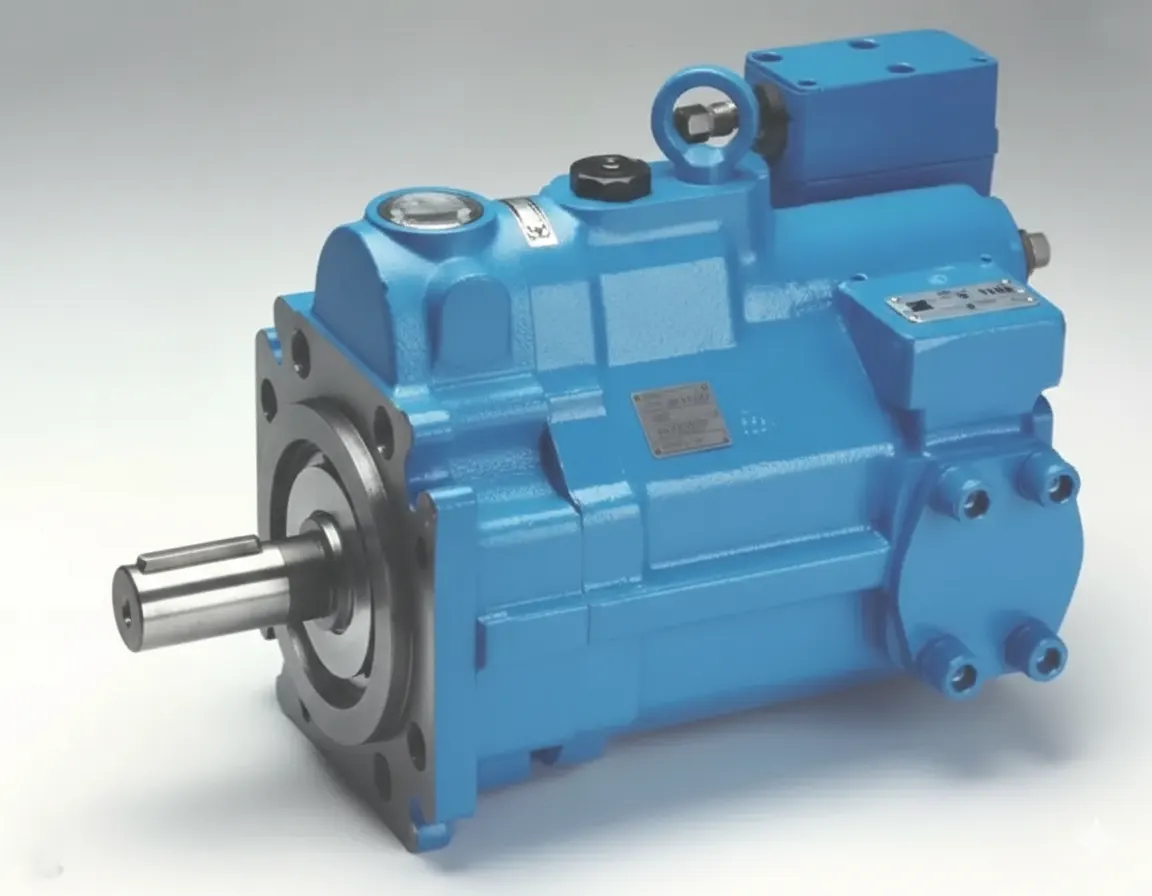
Built for stable lift movement and consistent hydraulic performance.
At Hydraulic Lift Pumps, we manufacture lift hydraulic pumps designed specifically for vertical transportation systems, supporting elevator OEMs and hydraulic power unit builders working with hydraulic pump manufacturers in India.
Our pumps are supplied to elevator manufacturers, hydraulic power unit builders, and lift system integrators seeking predictable performance across varying loads and repeated lift duty cycles.
Hydraulic Pump Manufacturers in India for Lift Applications
As one of the hydraulic pump manufacturers in India focused on lift applications, Hydraulic Lift Pumps supplies engineered pump solutions for residential, commercial, and industrial hydraulic lift systems. Our manufacturing approach prioritizes pressure stability, smooth motion, and long-term reliability.
Hydraulic Pump Design Aligned with Lift Duty Cycles
Hydraulic lift systems operate under conditions unlike general industrial hydraulics. Frequent start–stop cycles, variable loads, and precise leveling requirements place sustained demands on pump performance. At Hydraulic Lift Pumps, we engineer lift hydraulic pumps based on real operating parameters to help prevent common lift system issues such as:
- Pressure fluctuations that cause jerky car movement
- Flow inconsistency affecting leveling accuracy
- Excessive heat generation during repeated duty cycles
Each pump configuration is aligned with lift travel height, load profile, oil characteristics, and system pressure requirements.
Key Performance Requirements in Hydraulic Lifts
Our lift hydraulic pumps are designed to deliver consistent performance under daily operating conditions, supporting passenger comfort and long-term system reliability:
- Smooth, controlled flow for vibration-free lift movement
- Stable pressure delivery for accurate stopping and leveling
- Optimized internal clearances to reduce wear over repeated cycles
- Compatibility with lift-grade hydraulic oils and filtration systems
- Thermal stability during peak usage and extended operating hours
What Differentiates Our Lift Hydraulic Pump Manufacturing
Lift OEMs and hydraulic power unit builders rely on us for pumps developed with elevator operating behavior in mind. Design decisions are based on real lift operating behavior rather than generalized hydraulic benchmarks.
This approach is supported by lift-focused manufacturing controls, including:
Experience in configuring pump internals for smooth, low-noise lift motion
Precision machining that maintains the pressure stability required for accurate lift leveling
In-house testing to validate flow behaviorand pressure response under lift duty cycles
Design decisions are guided by factors that influence lift motion and stability:
- Configuring pump capacity around lift speed, rated load, and travel height
- Selecting materials suited to elevator oils and temperature rise during peak traffic cycles
- Designing for frequent start–stop operation typical of passenger and service lifts
- Maintaining pressure stability across repeated lift movements within the same building
- Supporting commissioning and adjustment to achieve smooth leveling and consistent ride quality
System Integration Factors We Evaluate for Hydraulic Lifts
Lift hydraulic pump reliability depends heavily on system integration. Motor selection, reservoir design, and installation accuracy all influence long-term operation.
During pump selection, we evaluate:
| Integration Factor | Typical Considerations |
|---|---|
| Drive Motor Selection | Motor response characteristics evaluated against lift load variation and acceleration profiles |
| Pump Mounting & Alignment | Mounting precision is controlled to reduce vibration transmission through guide rails and structure |
| Suction Conditions | Suction stability verified under repeated lift start and return cycles |
| Pressure Control | Pressure regulation components are reviewed for smooth motion and accurate floor leveling |
| Hydraulic Oil | Oil viscosity behavior assessed across operating temperature ranges |
| Operating Orientation | Pump orientation selected to support internal lubrication and acoustic performance |
| Duty Cycle | Duty cycle is defined by projected passenger traffic and operational frequency |
Hydraulic Lift Applications We Manufacture For
We manufacture lift hydraulic pumps for the following elevator and vertical transportation applications:

Passenger lifts in residential and commercial buildings

Freight and service elevators

Low-and mid-rise hydraulic lift systems

OEM-built hydraulic power units
Modernization and replacement projects
Selecting a Hydraulic Pump That Matches Lift Behavior
We select pumps based on how the lift operates in daily use. Controlled movement, ride comfort, and long-term stability take priority over peak flow ratings.
Our evaluation focuses on:
- Load variation and lift travel profile
- Pressure response during start and stop cycles
- Integration with the hydraulic power unit and controls
- Long-term reliability and maintenance exposure
FAQs
What factors determine whether a hydraulic pump is suitable for a lift application?
Suitability depends on how the pump responds to lift load changes, start–stop frequency, and required leveling accuracy. Flow and pressure stability across repeated cycles are more important than peak capacity figures.
Why is pressure stability critical in hydraulic lift systems?
Pressure stability directly affects smooth acceleration, controlled deceleration, and accurate floor leveling. Fluctuations can result in vibration, noise, or inconsistent stopping.
How does lift traffic influence hydraulic pump selection?
Passenger traffic patterns determine duty cycle, heat generation, and wear rate. Pumps must be configured to handle repeated operation during peak usage without loss of performance.
What installation factors most commonly affect lift pump performance?
Inlet conditions, oil temperature management, mounting alignment, and compatibility with the valve block all influence long-term pump behavior and ride quality.